Jago Peternella 16 1/4" viola, 1965, di Venezia (San Diego) | Metzler Violins
[further details about this instrument are forthcoming]
About the Instrument
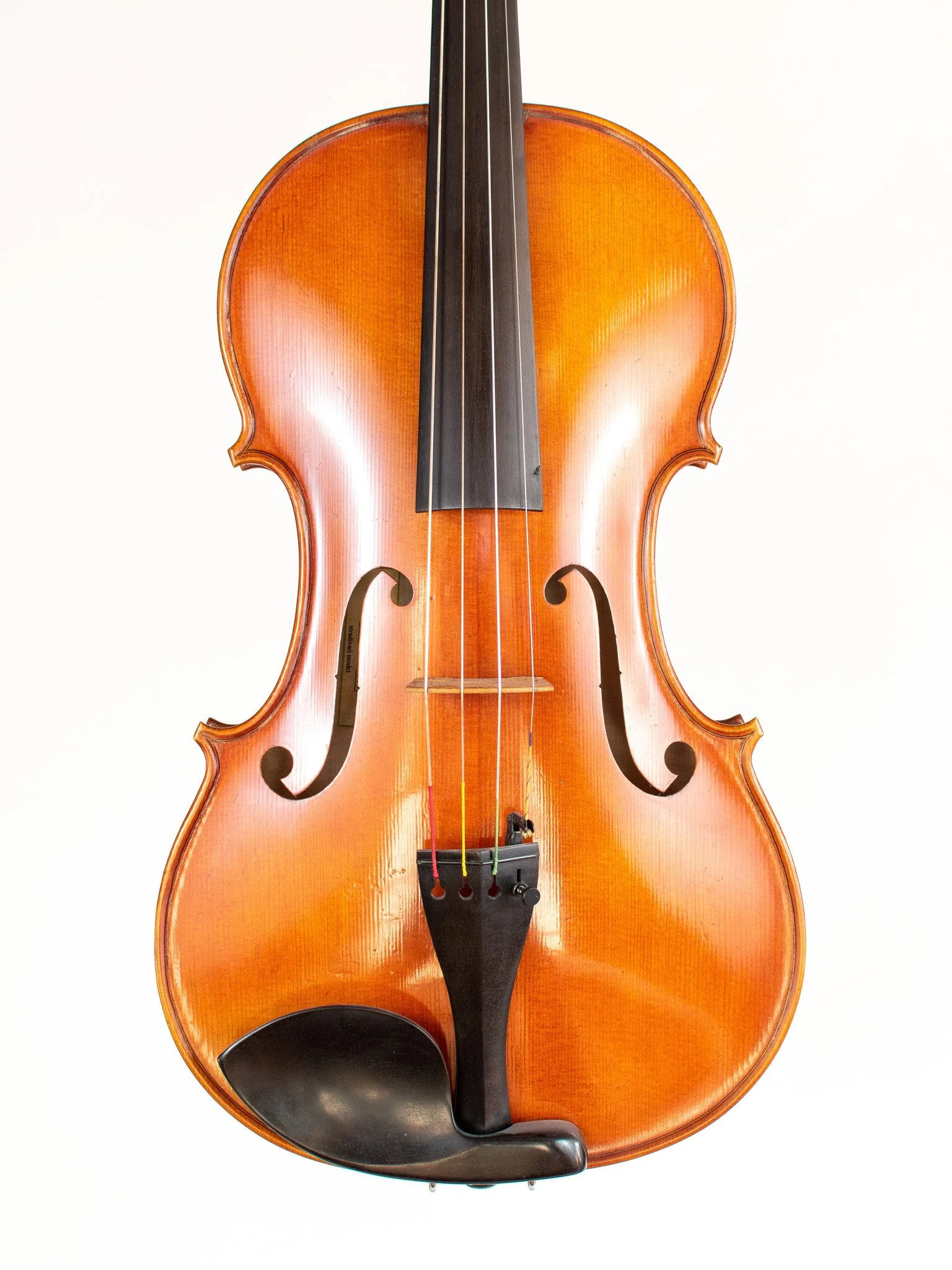
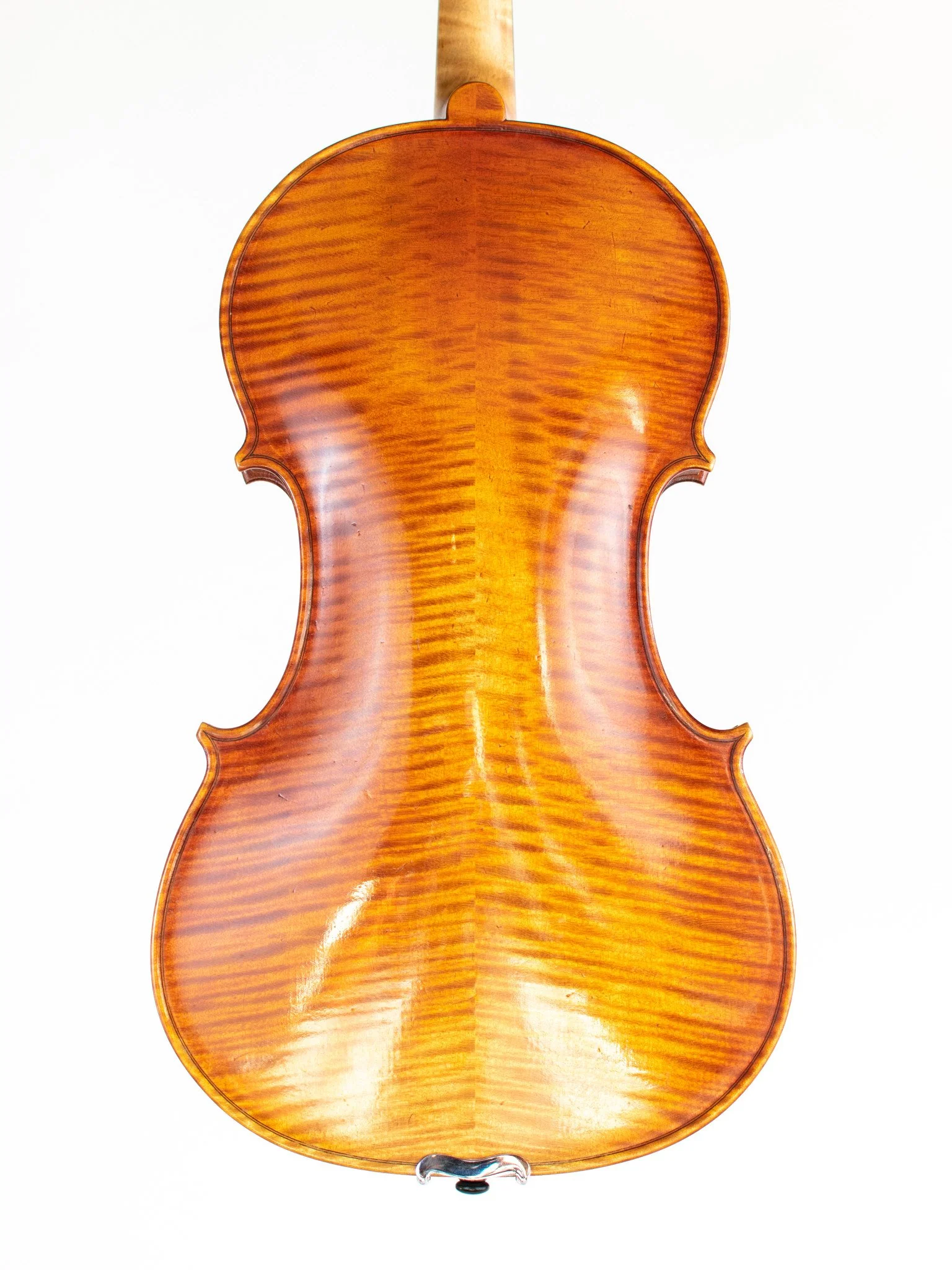
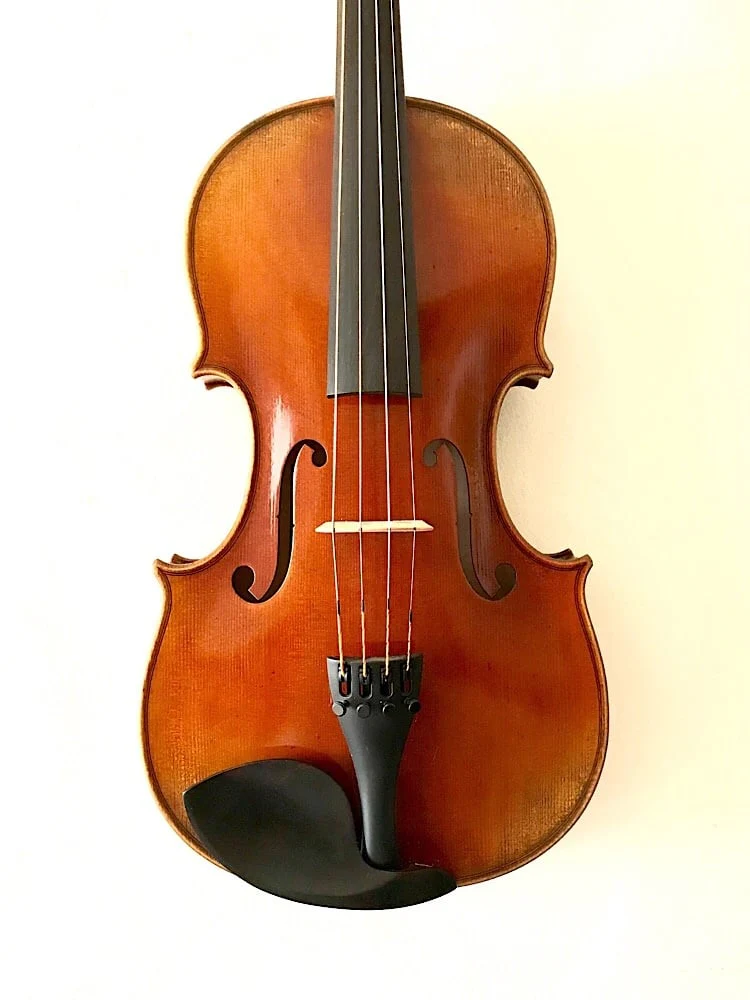
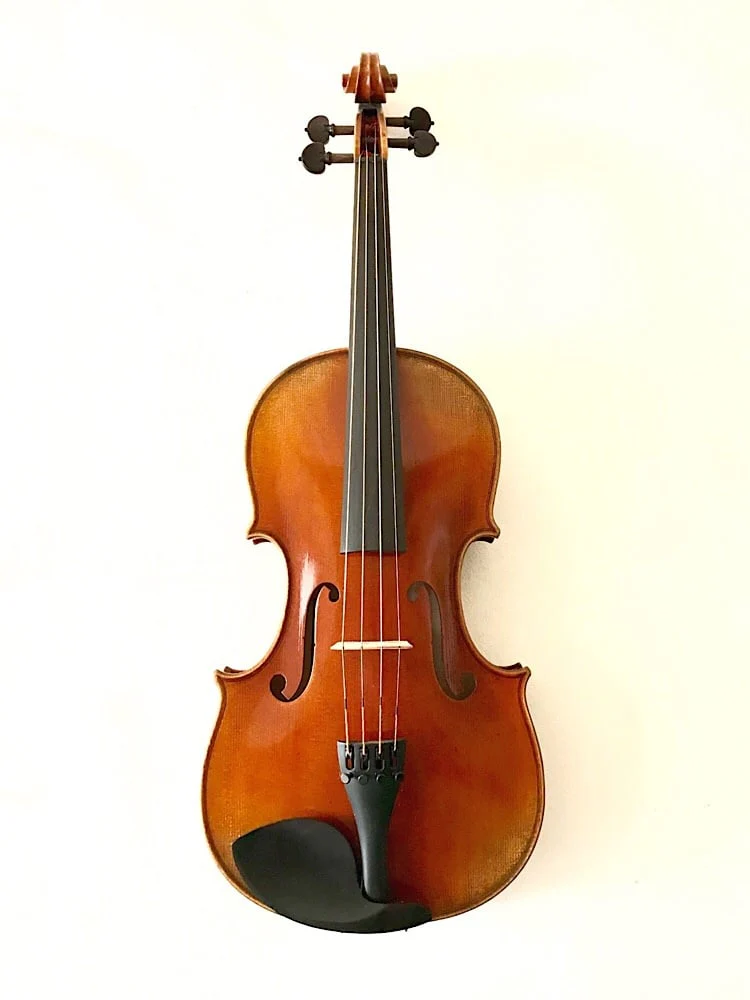
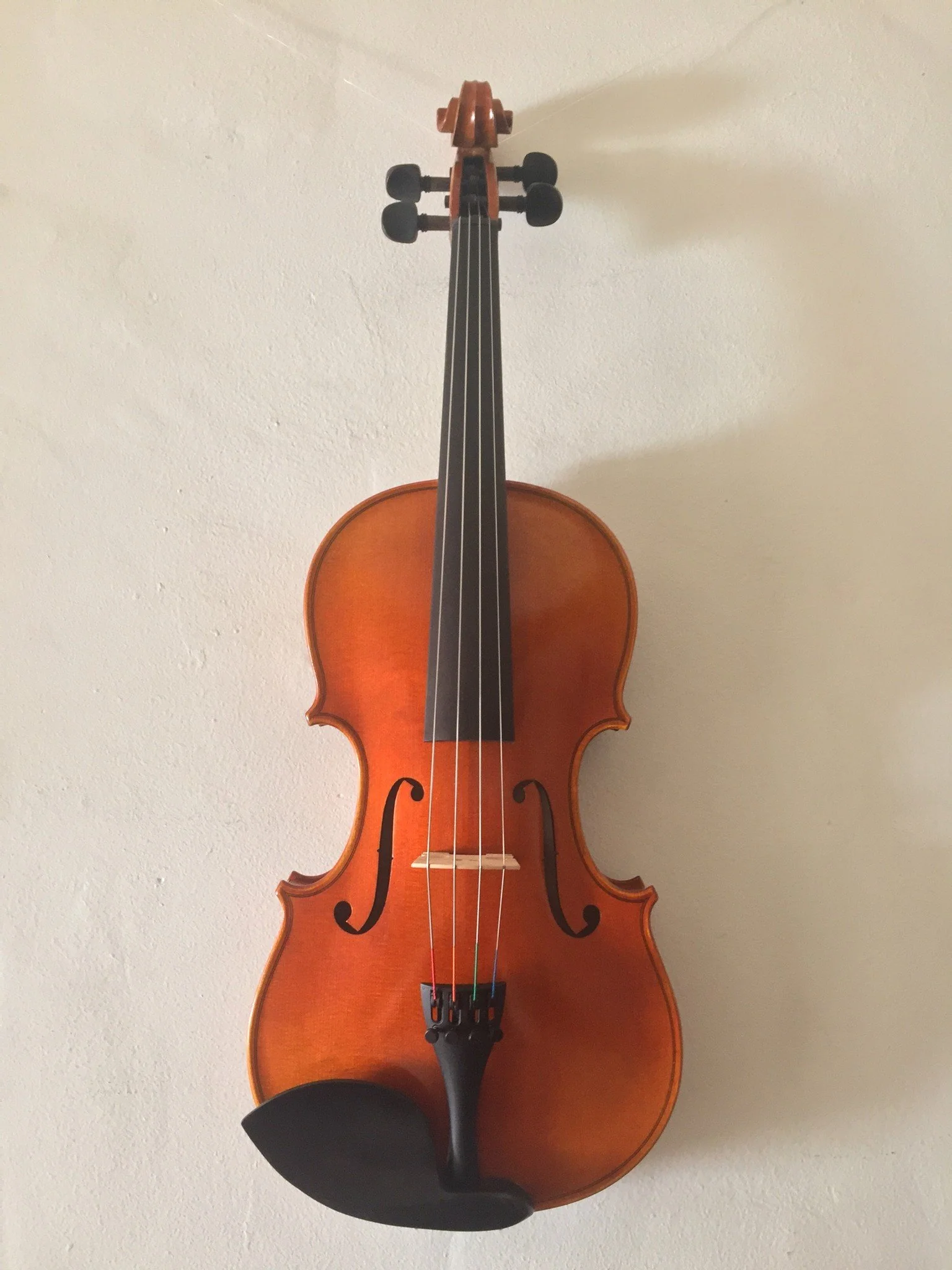
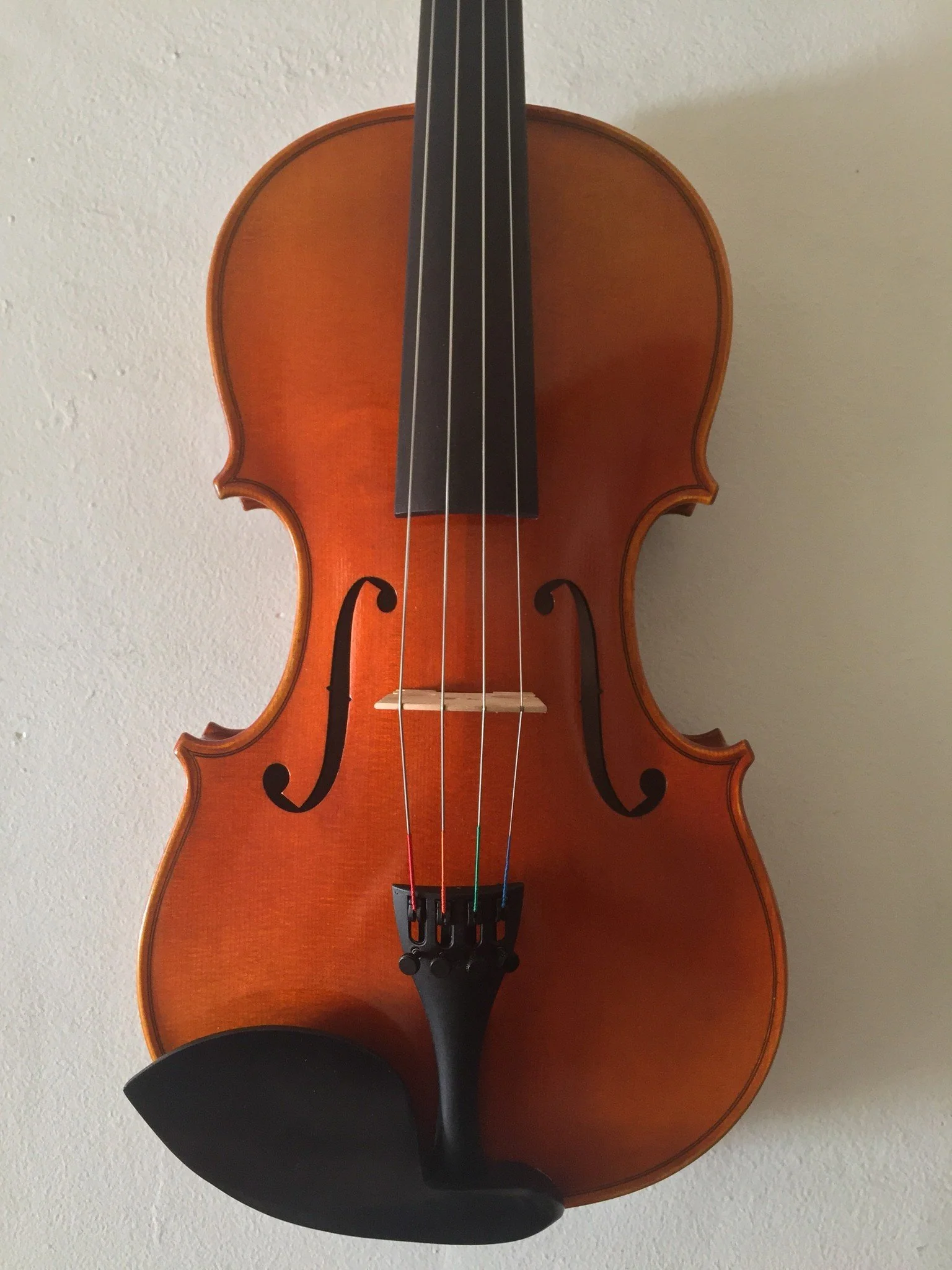
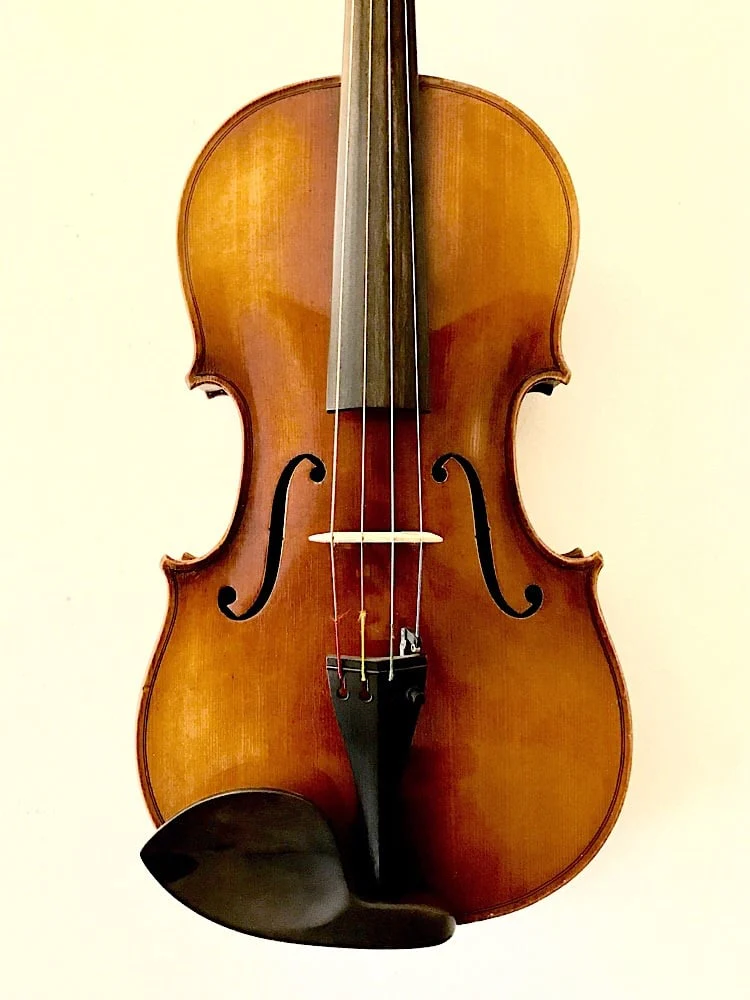
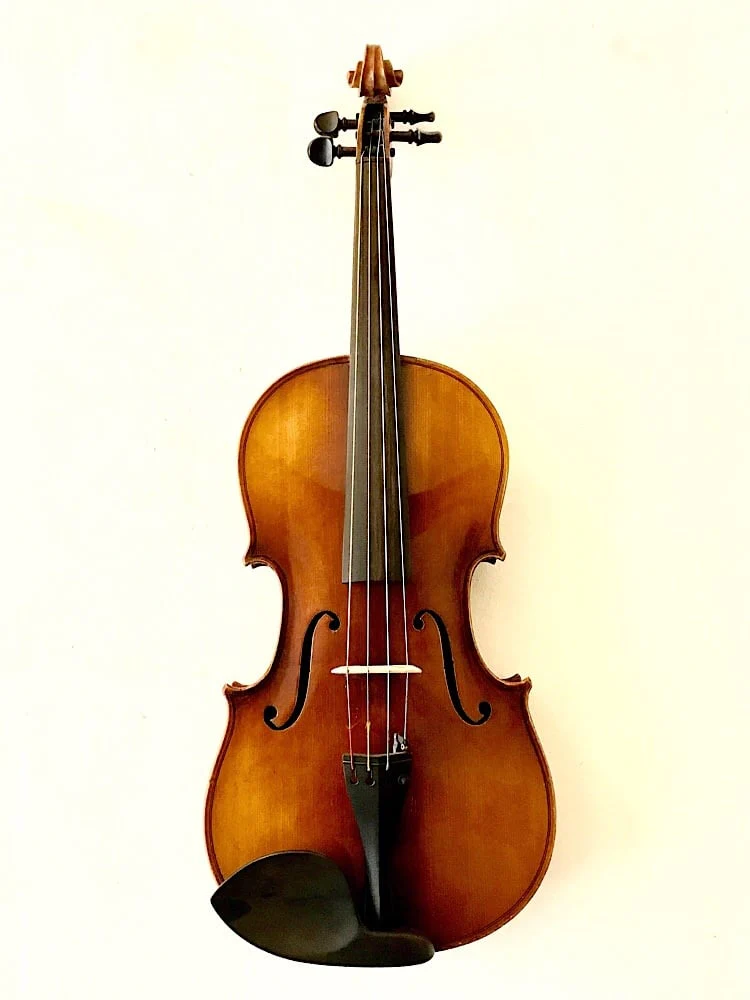
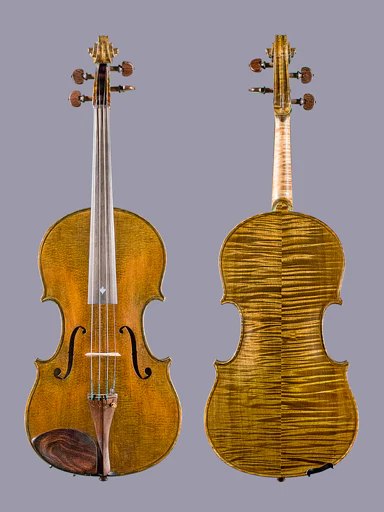
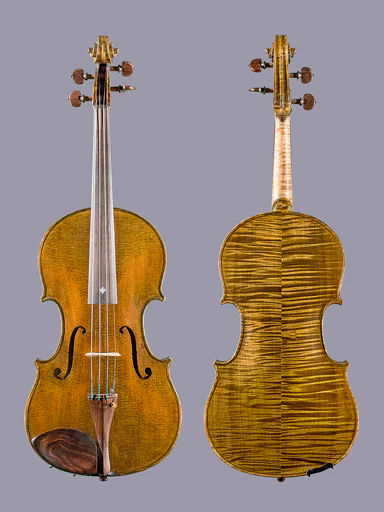
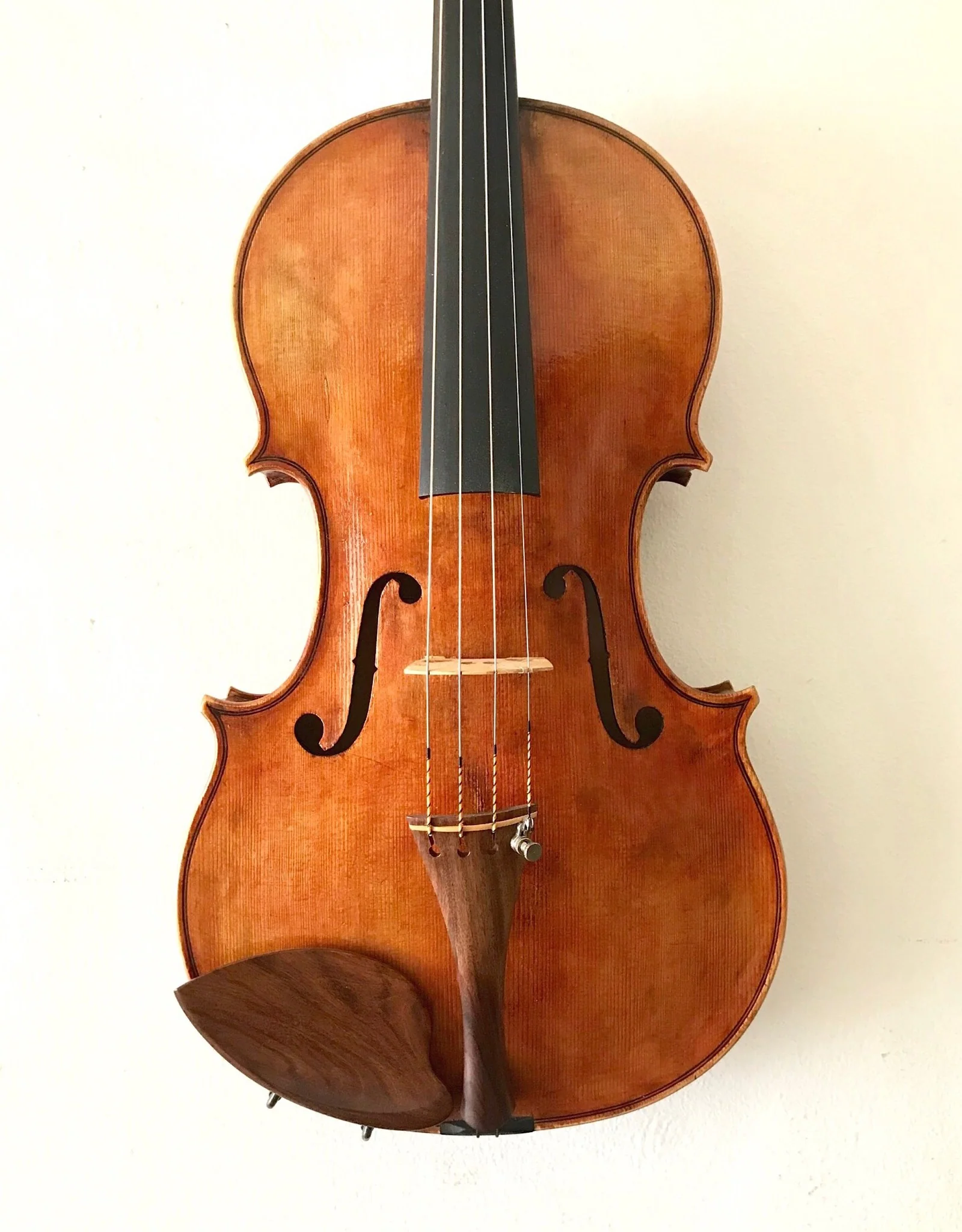
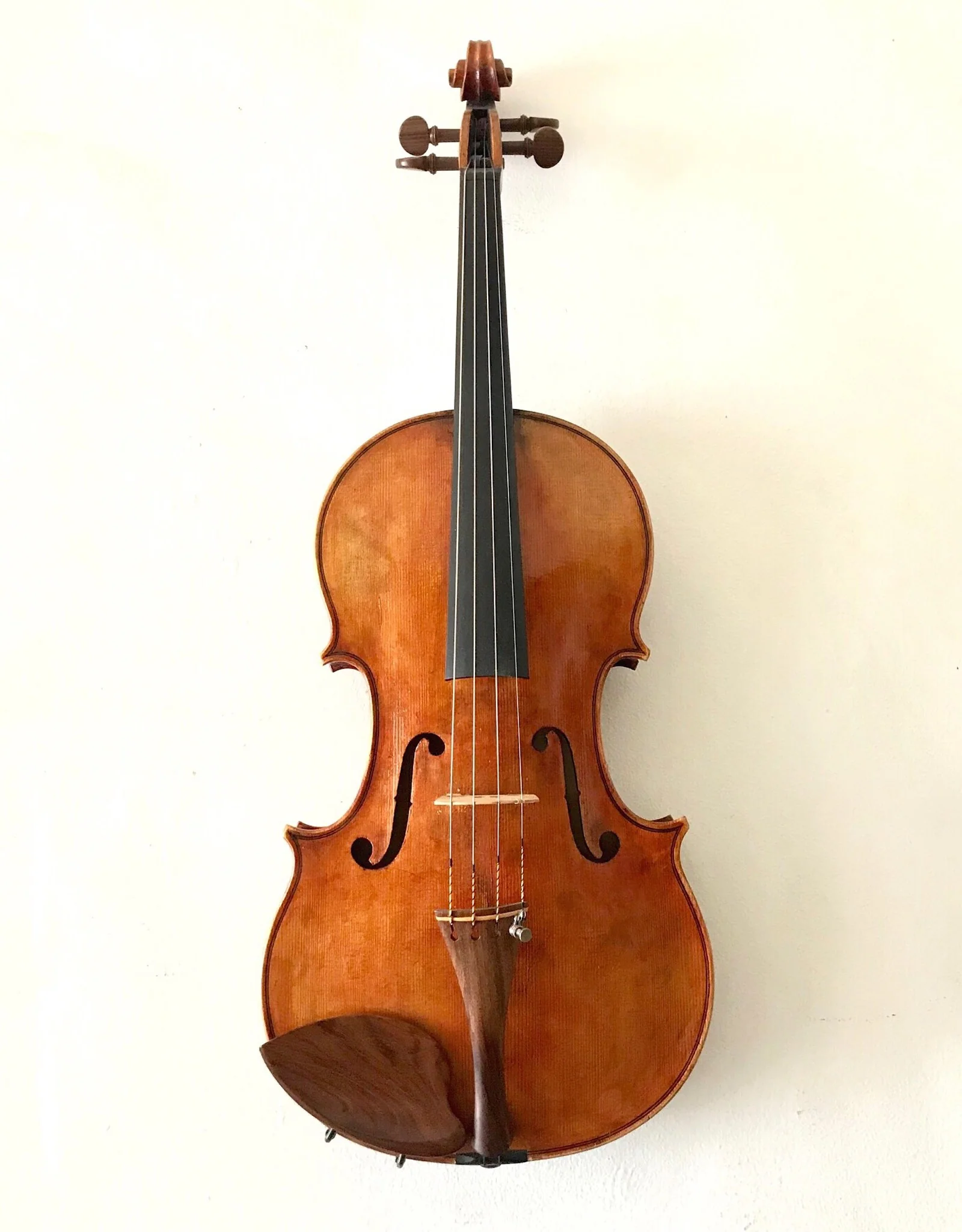
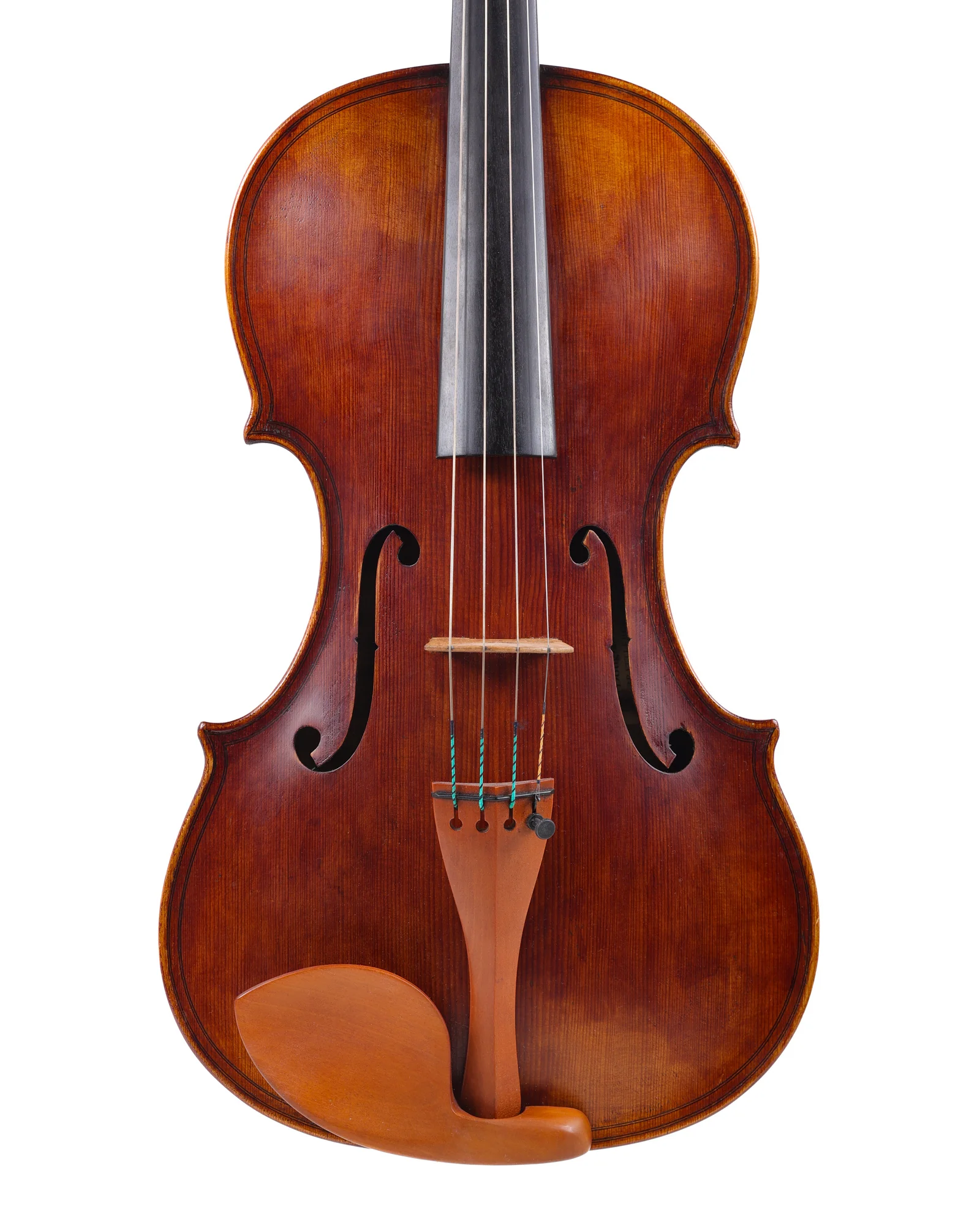
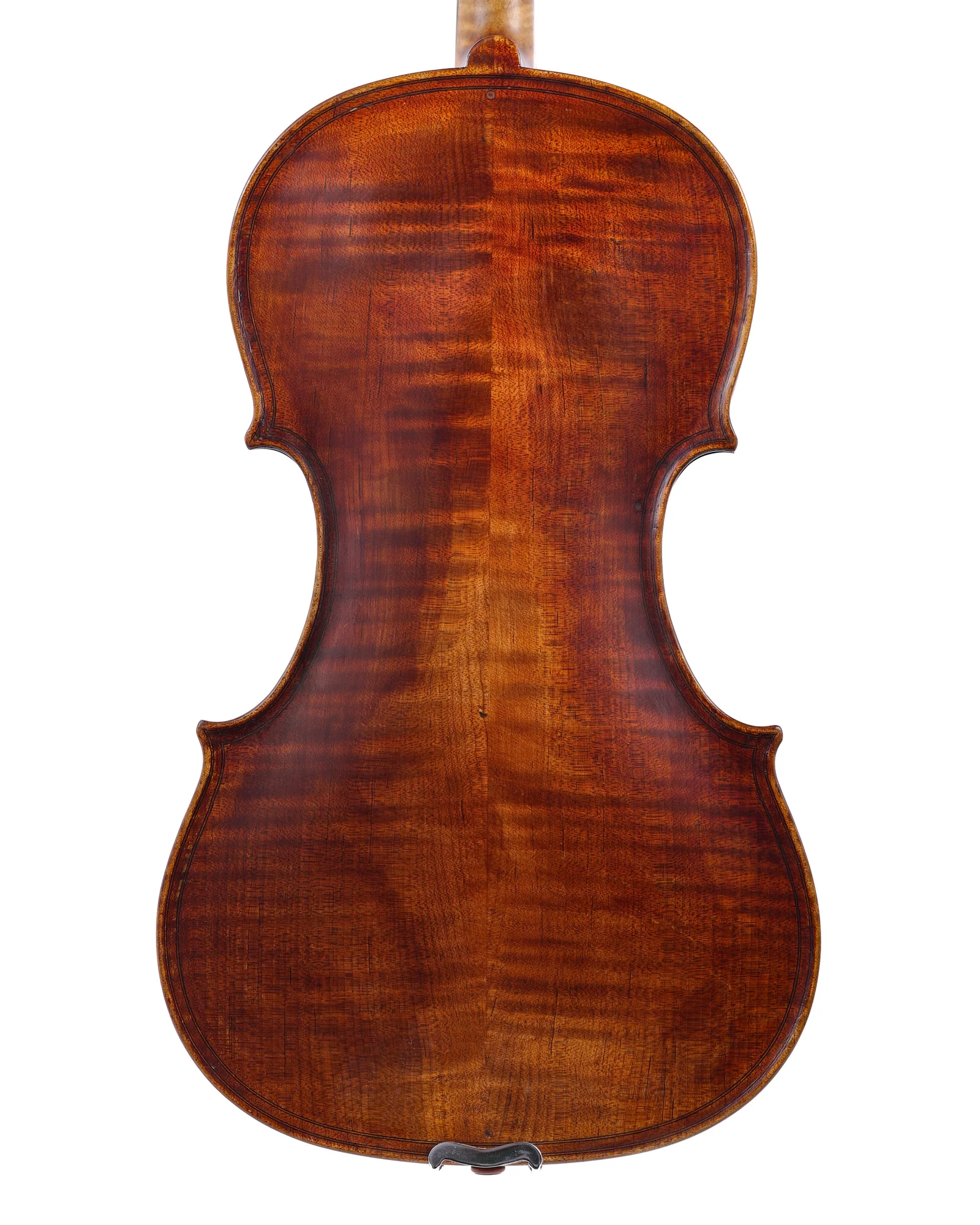
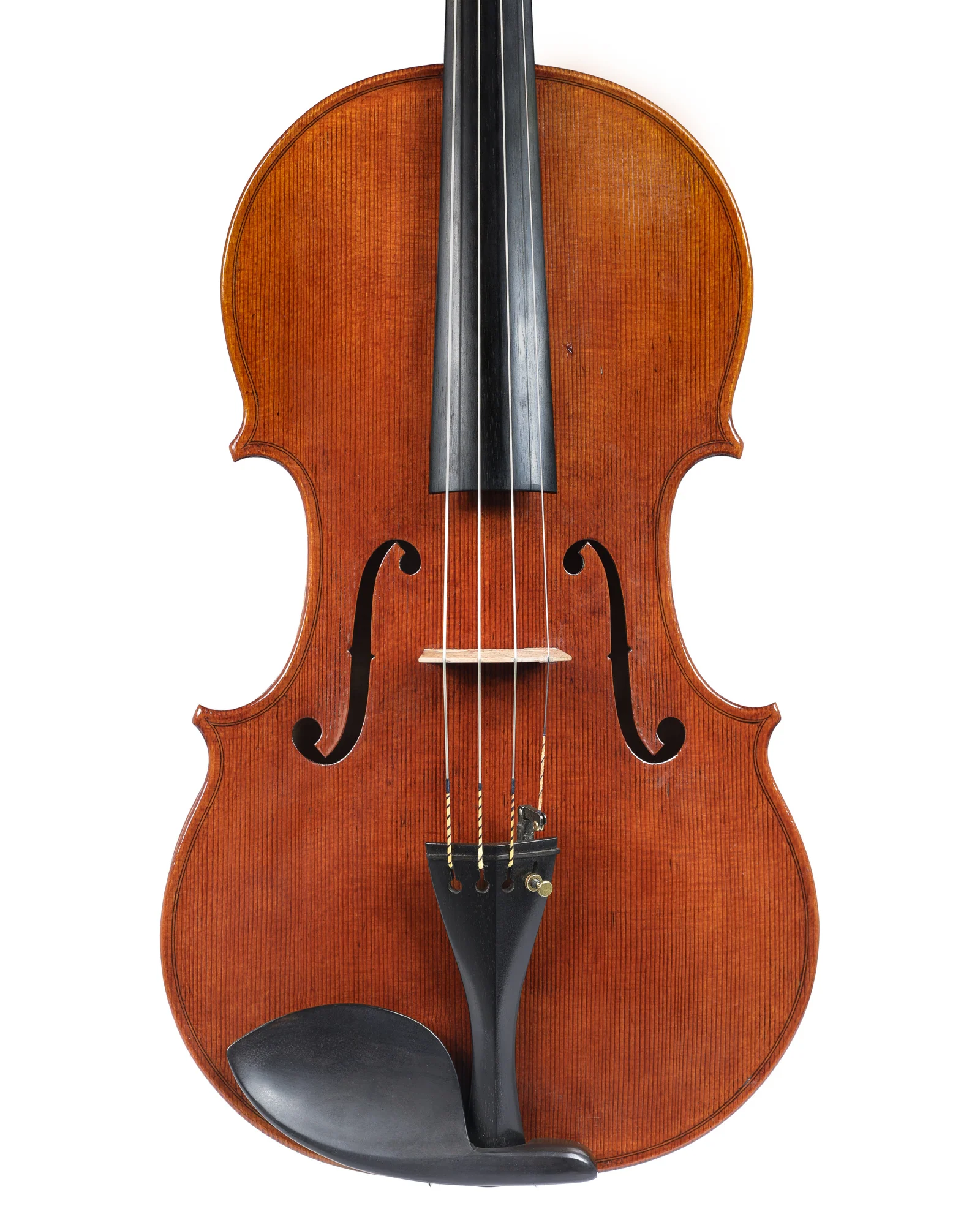
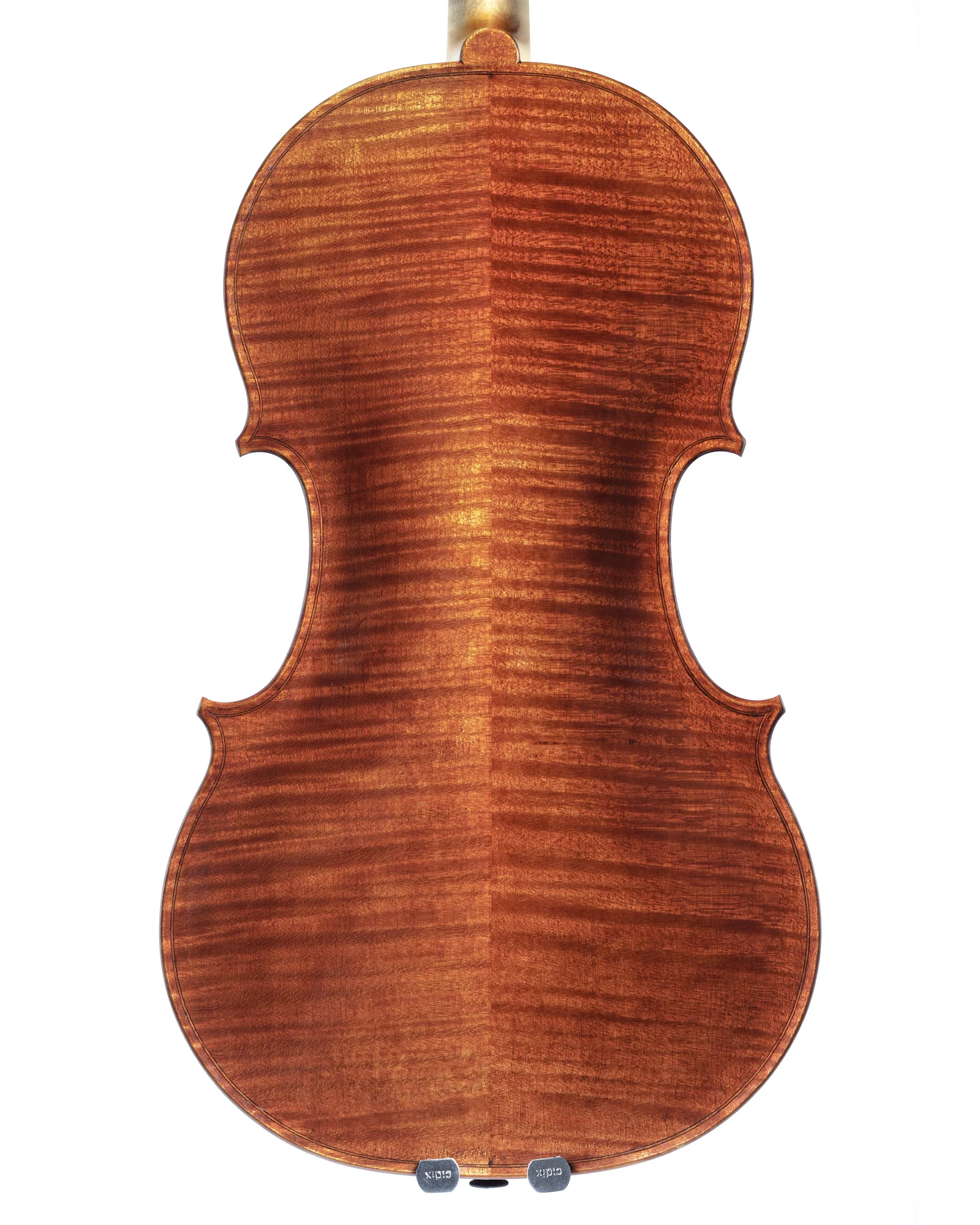
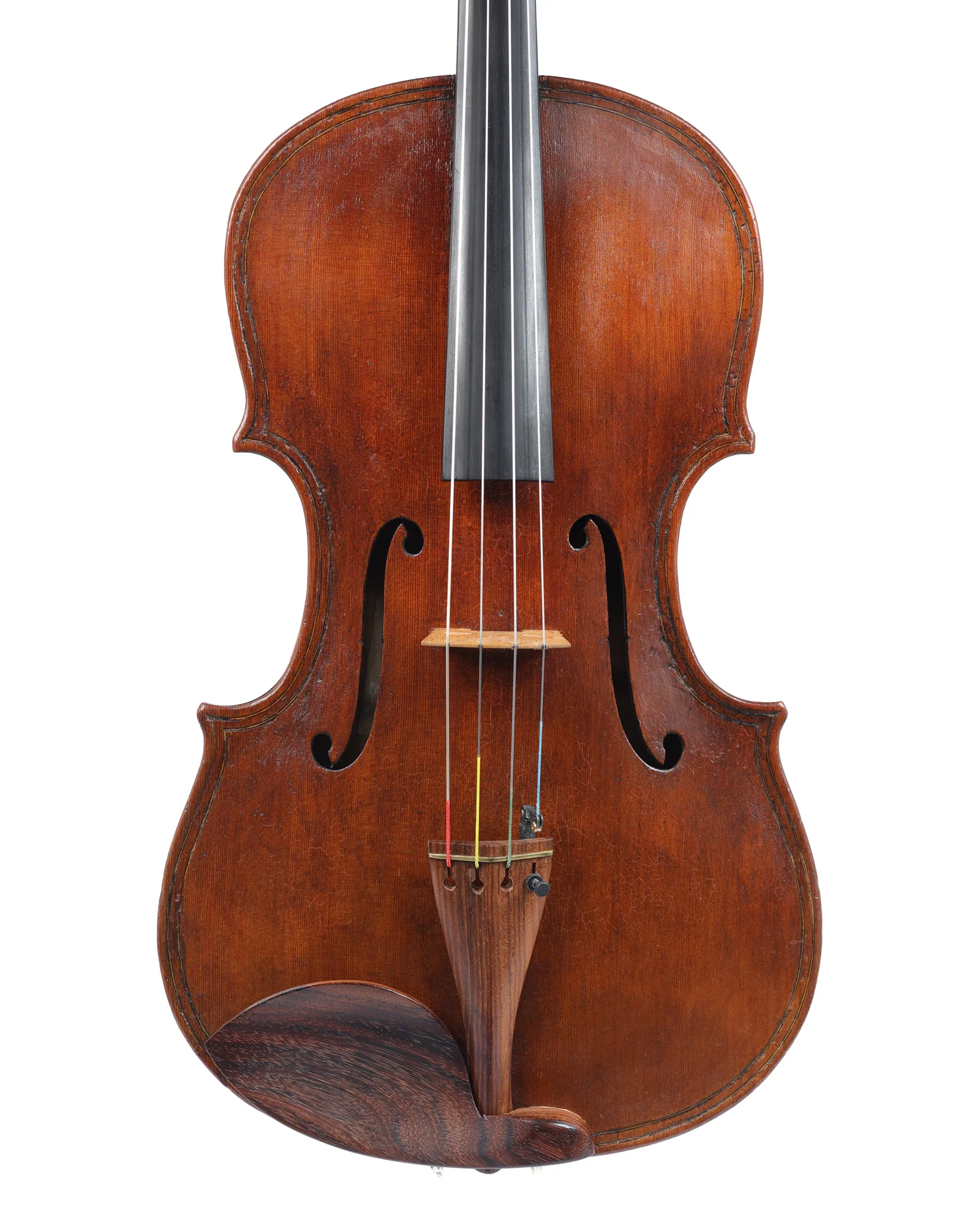
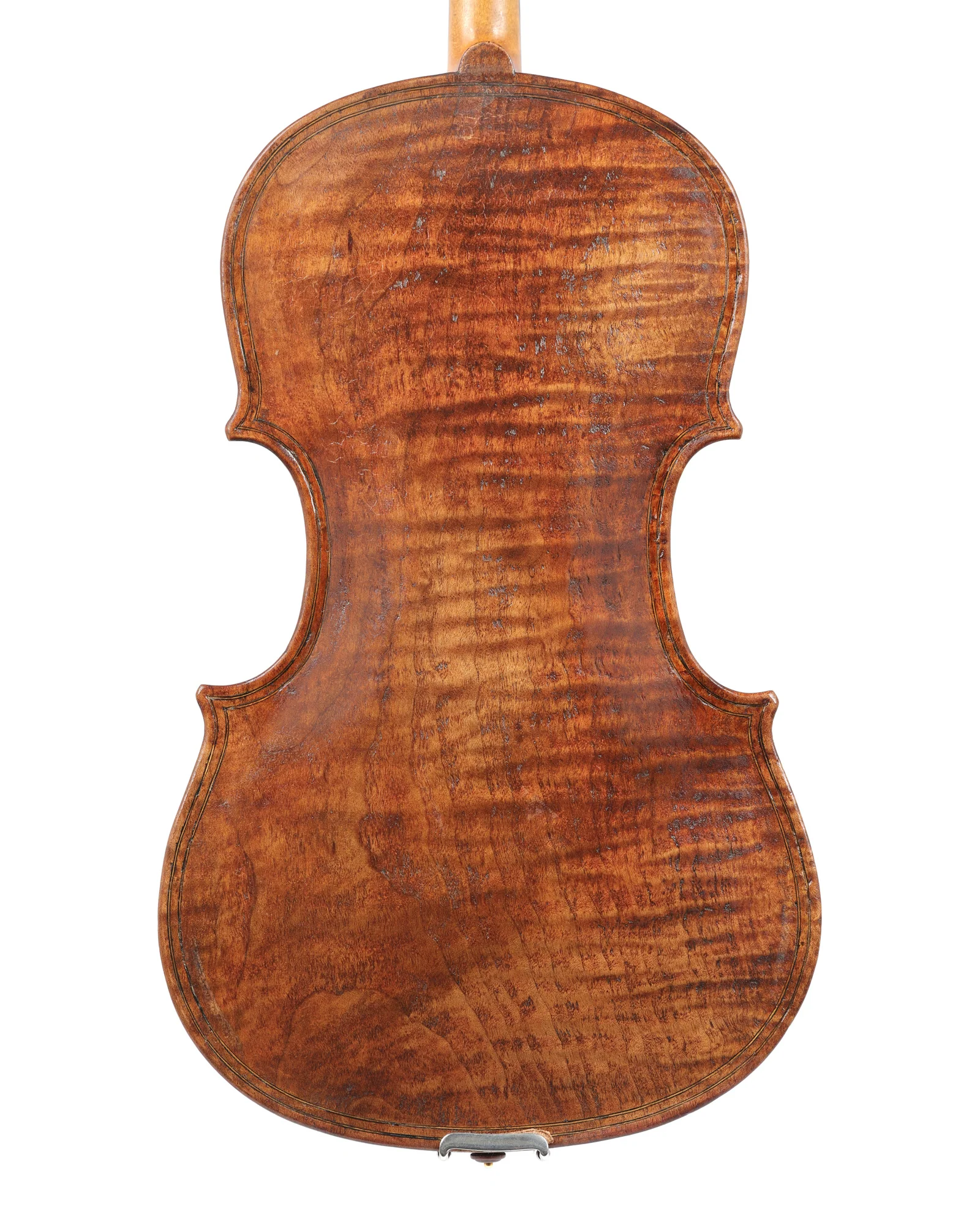
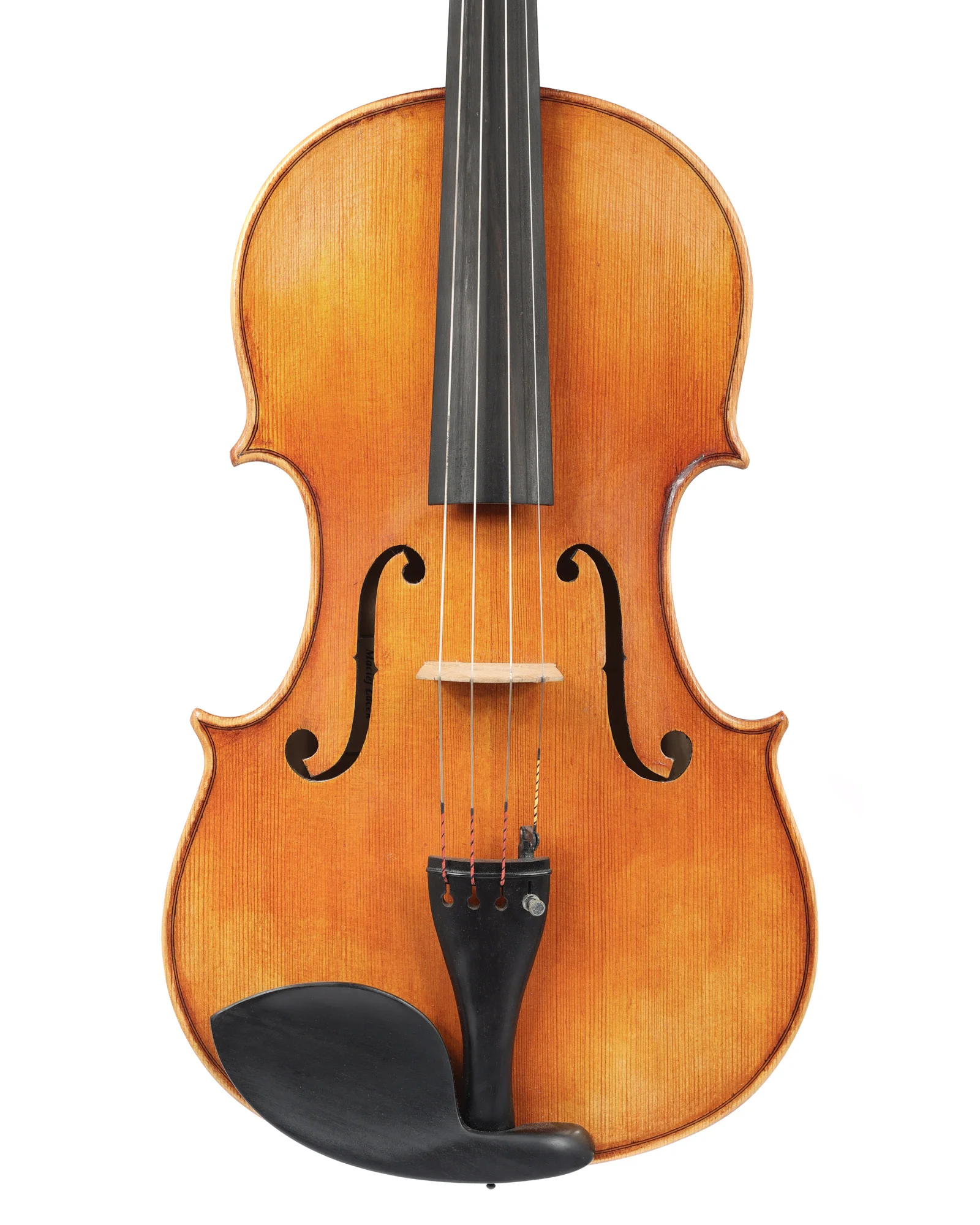
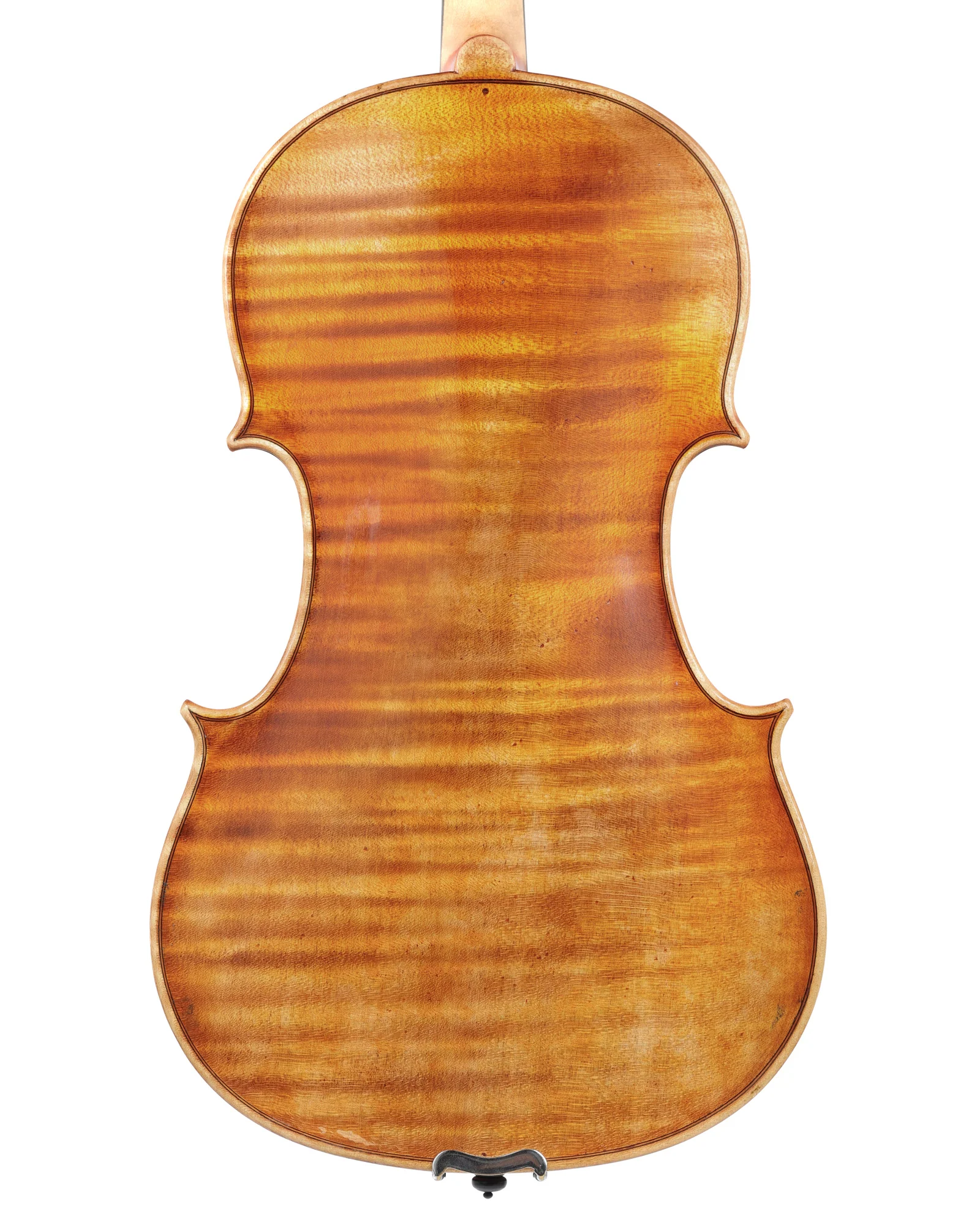
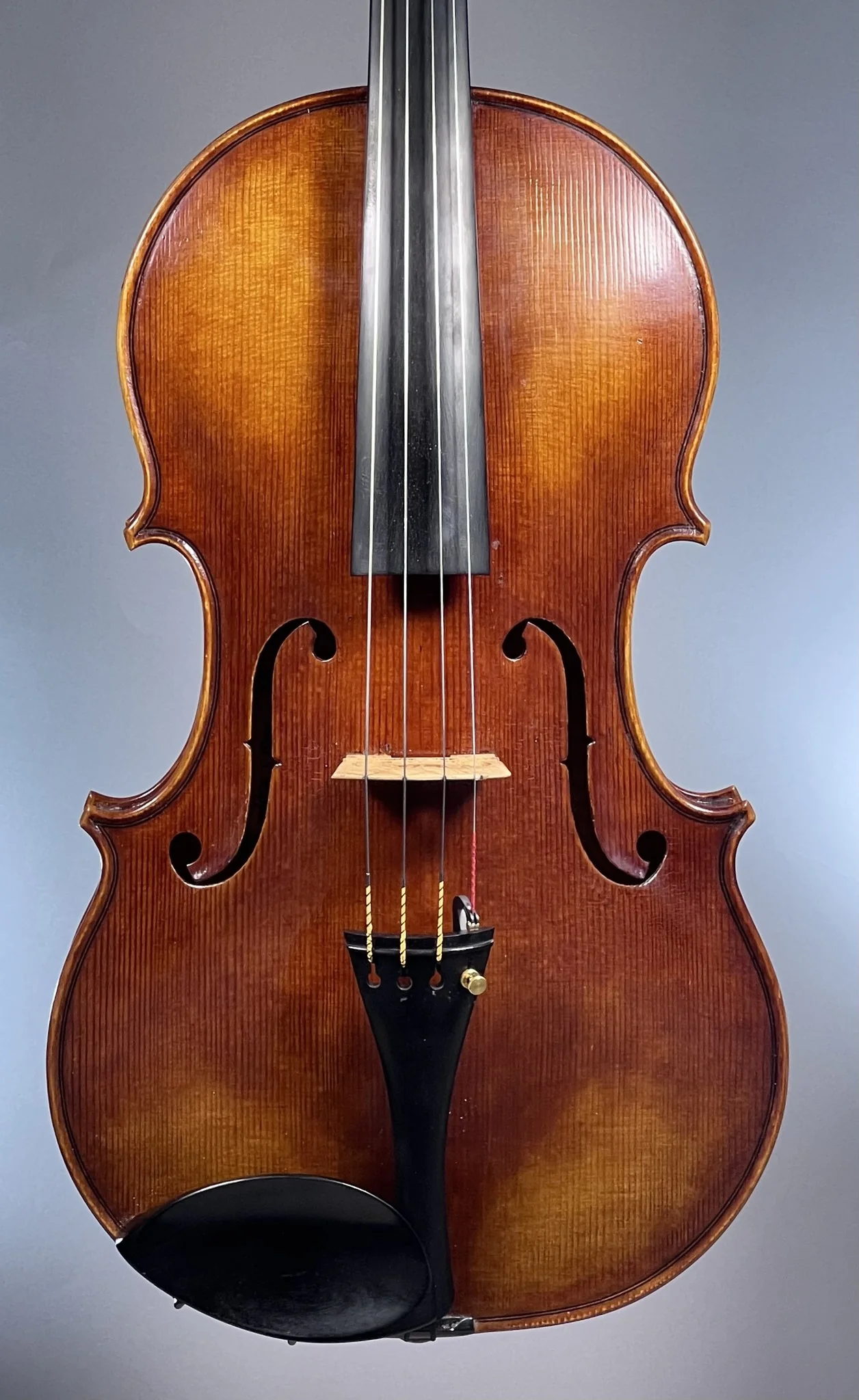
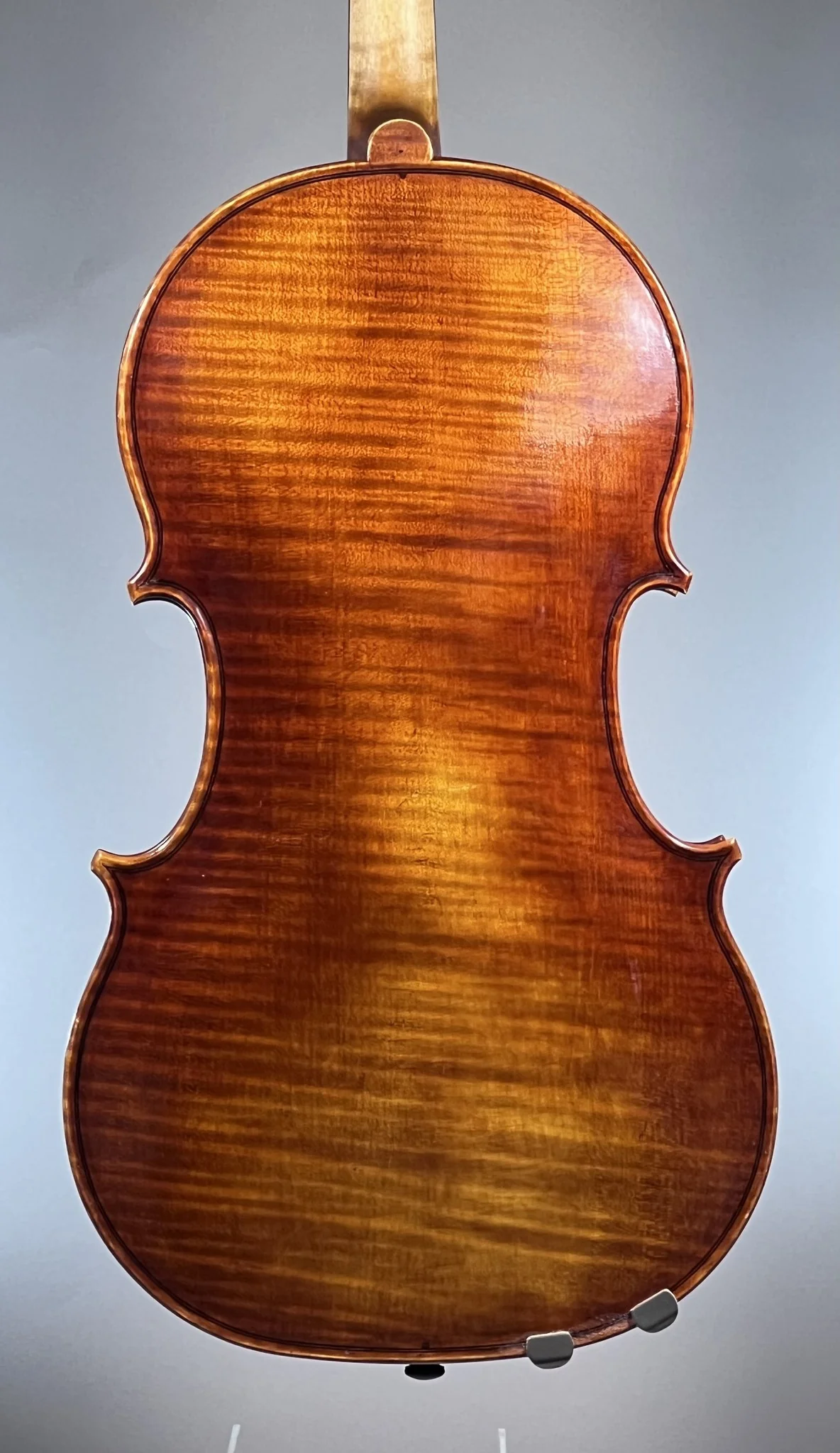
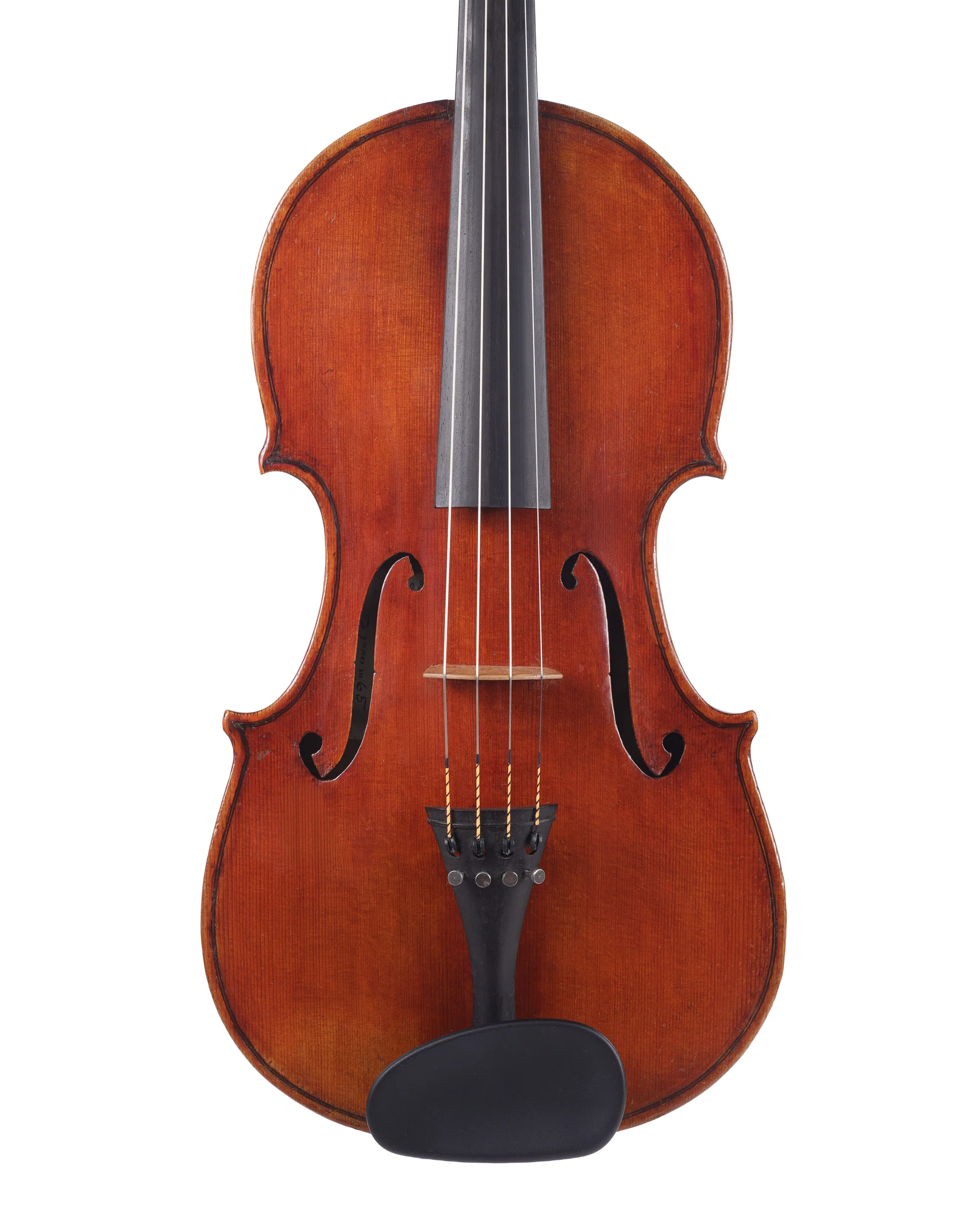
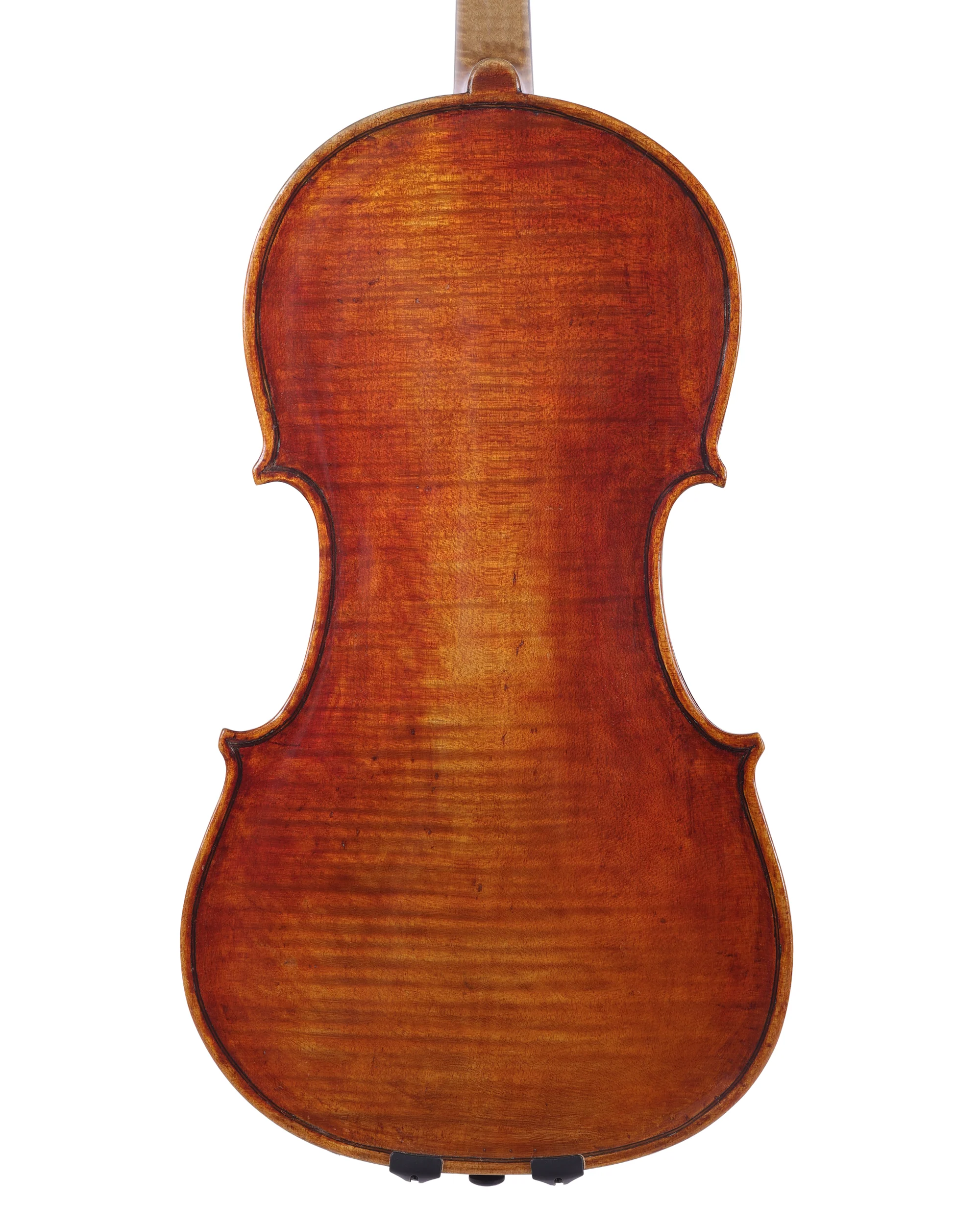
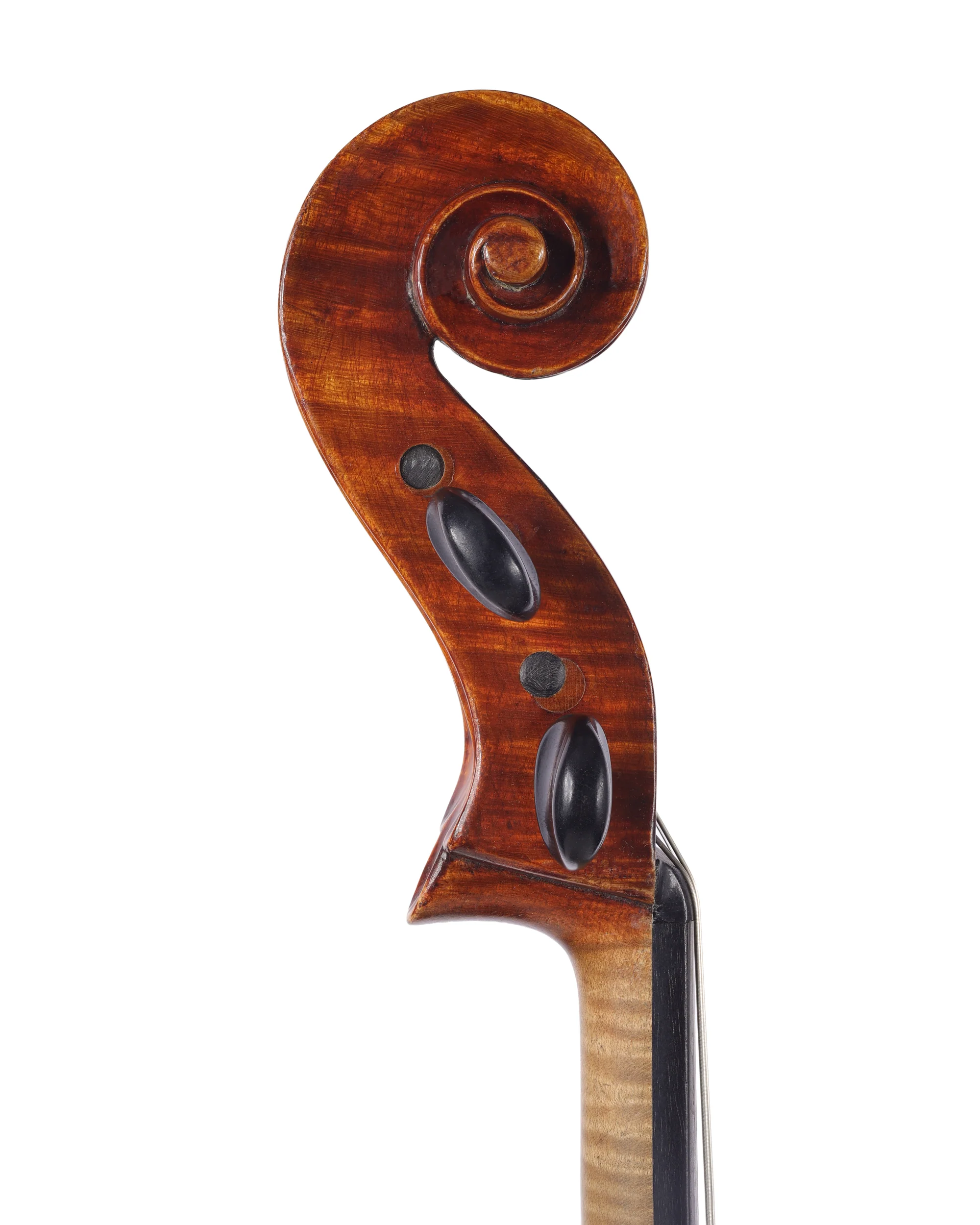
This instrument has a lovely russet varnish applied over a golden ground. The narrow flames are somewhat muted across its single-piece maple back, with a notably shallow arch in the back plate. The ribs and scroll are of a more highly flamed wood. This viola is in excellent condition.
Interior label reads: “‘La Viola Ideale’ / Jago Peternella / di da Venegia / fecit / anno 1965” and bears the maker's signature.
Length: 414 mm (16 1/4”)
Upper Bouts: 189 mm
Middle: 132 mm
Lower Bouts: 234 mm
About the Maker
Jago Peternella (1886-1970) was born in Legnano in the Lombardy region, Italy. Showing a capacity for drawing, sculpture, and woodwork, Peternella (also spelled as “Petternella”) was a capable violinist who made his first instrument as early as 1904 as a teenager. While the location of his instruction on instrument making is unknown, some believe he trained under Giulio Degani (others Giulio’s father, Eugenio) in Venice. With the start of The Great War, Peternella began his movement back and forth between Europe and the United States, sparking the colorful-yet-hardscrabble life in both regions. When Peternella first arrived in the US, he had on $150 in his pocket, finding work as a steel mill mechanic in Philadelphia. Peternella took ships across the ocean, living and playing in Atlantic City, touring Egypt with a concert orchestra, making an instrument or two in Scranton, Pennsylvania. Eventually, Peternella returned to Venice and stayed there for almost a decade, working as a luthier. With the rise of Benito Mussolini’s power and subsequent fascism, Peternella fled to New York City with this Venitian wife in 1929, with many relocations in the New York City region, working with classical and jazz musicians in ateliers or in his own shops, depending on what he could financially manage. Once widowed, Peternella moved to California in 1946, continuing his visits to Venice, eventually settling in San Diego and opening his own shop with the financial comfort of marrying a socialite. He frequently labeled his instruments as having been made in Venice, despite the Southern California locale. Throughout his working life, Peternella predominantly made violas, frequently inspired by Degani models. He retired in 1964, though continued to make instruments until his death. He was returned to Venice, where he is buried. Peternella’s clients included Gregor Piatigorsky, Bernardo Parrouchi, Signora E. Frank, and others.
Original: $34,000.00
-65%$34,000.00
$11,900.00Product Information
Product Information
Shipping & Returns
Shipping & Returns
Description
[further details about this instrument are forthcoming]
About the Instrument
This instrument has a lovely russet varnish applied over a golden ground. The narrow flames are somewhat muted across its single-piece maple back, with a notably shallow arch in the back plate. The ribs and scroll are of a more highly flamed wood. This viola is in excellent condition.
Interior label reads: “‘La Viola Ideale’ / Jago Peternella / di da Venegia / fecit / anno 1965” and bears the maker's signature.
Length: 414 mm (16 1/4”)
Upper Bouts: 189 mm
Middle: 132 mm
Lower Bouts: 234 mm
About the Maker
Jago Peternella (1886-1970) was born in Legnano in the Lombardy region, Italy. Showing a capacity for drawing, sculpture, and woodwork, Peternella (also spelled as “Petternella”) was a capable violinist who made his first instrument as early as 1904 as a teenager. While the location of his instruction on instrument making is unknown, some believe he trained under Giulio Degani (others Giulio’s father, Eugenio) in Venice. With the start of The Great War, Peternella began his movement back and forth between Europe and the United States, sparking the colorful-yet-hardscrabble life in both regions. When Peternella first arrived in the US, he had on $150 in his pocket, finding work as a steel mill mechanic in Philadelphia. Peternella took ships across the ocean, living and playing in Atlantic City, touring Egypt with a concert orchestra, making an instrument or two in Scranton, Pennsylvania. Eventually, Peternella returned to Venice and stayed there for almost a decade, working as a luthier. With the rise of Benito Mussolini’s power and subsequent fascism, Peternella fled to New York City with this Venitian wife in 1929, with many relocations in the New York City region, working with classical and jazz musicians in ateliers or in his own shops, depending on what he could financially manage. Once widowed, Peternella moved to California in 1946, continuing his visits to Venice, eventually settling in San Diego and opening his own shop with the financial comfort of marrying a socialite. He frequently labeled his instruments as having been made in Venice, despite the Southern California locale. Throughout his working life, Peternella predominantly made violas, frequently inspired by Degani models. He retired in 1964, though continued to make instruments until his death. He was returned to Venice, where he is buried. Peternella’s clients included Gregor Piatigorsky, Bernardo Parrouchi, Signora E. Frank, and others.